Buying a small multi family building in Portland can look simple on paper, but the details matter fast. You may see strong renter demand, older housing stock, and cap rates that seem appealing at first glance, yet your results will depend on how well you underwrite condition, compliance, and day-to-day operations. If you are thinking about a 2- to 10-unit property in Portland, this guide will help you focus on the numbers and local rules that matter most. Let’s dive in.
Why Portland Draws Small Multi Family Investors
Portland stands out as a strong place to study small multi family investing because it is renter-heavy and built for this kind of housing. Census data shows 68,408 residents, 32,965 households, and an owner-occupied rate of 46.9%, which means a large share of the city rents rather than owns. The same data also shows a median gross rent of $1,577 and that 57.41% of housing units are in multi-unit structures.
That mix can support a deeper tenant pool than many nearby suburbs. Portland also has a diversified economy tied to health care, accommodation and food services, retail, and transportation activity. For you as an investor, that does not remove risk, but it does support the case for steady rental demand in well-located buildings.
What Cap Rates Look Like Now
If you are screening small multifamily deals in Portland, current asking examples suggest a practical cap rate range of about 6.5% to 8.0%. Listing examples in Portland and nearby Westbrook have shown asking cap rates in the high-6% to high-7% range, with examples around 7.0%, 7.5%, and 8.0%. Since these are asking figures rather than closed sales, they are best used as a starting point, not a final valuation tool.
The more useful takeaway is the spread inside that range. Better-located, more stable buildings often sit closer to the low end, while older or more management-intensive properties tend to push toward the high end. In Portland, unit count alone does not tell the story. Location, deferred maintenance, utility setup, and local regulations can change a deal quickly.
Why Older Buildings Change the Math
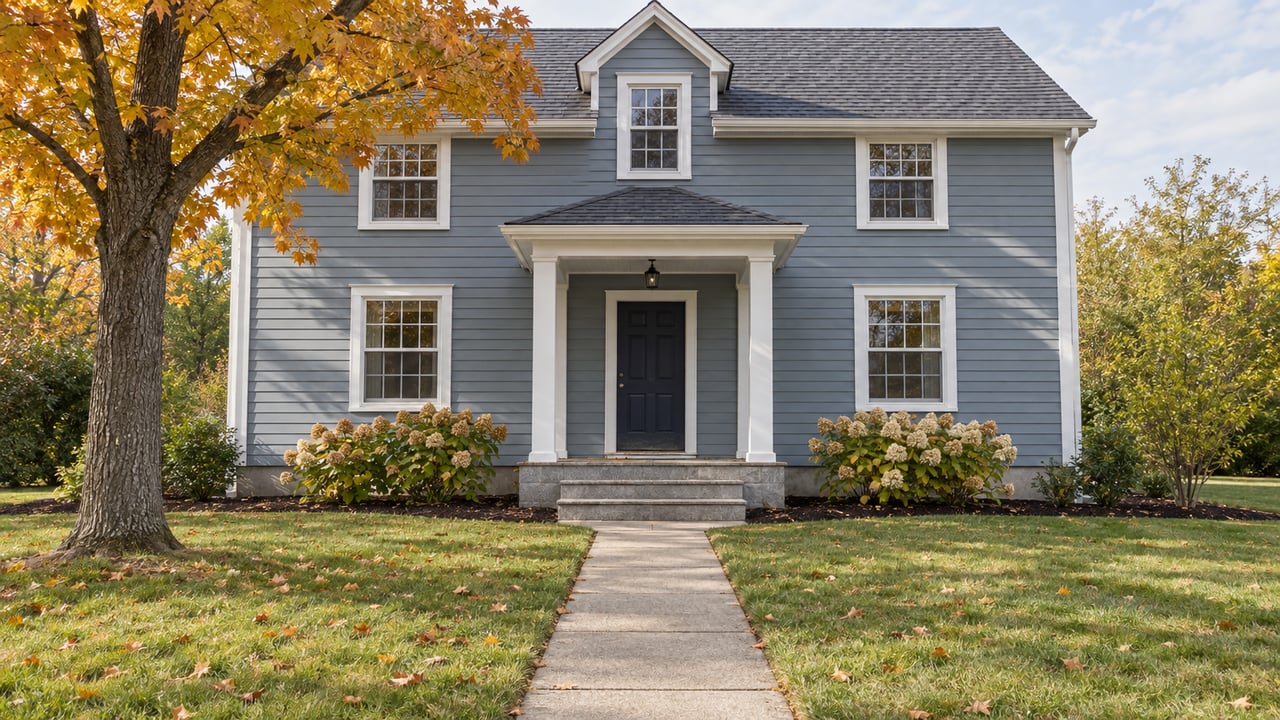
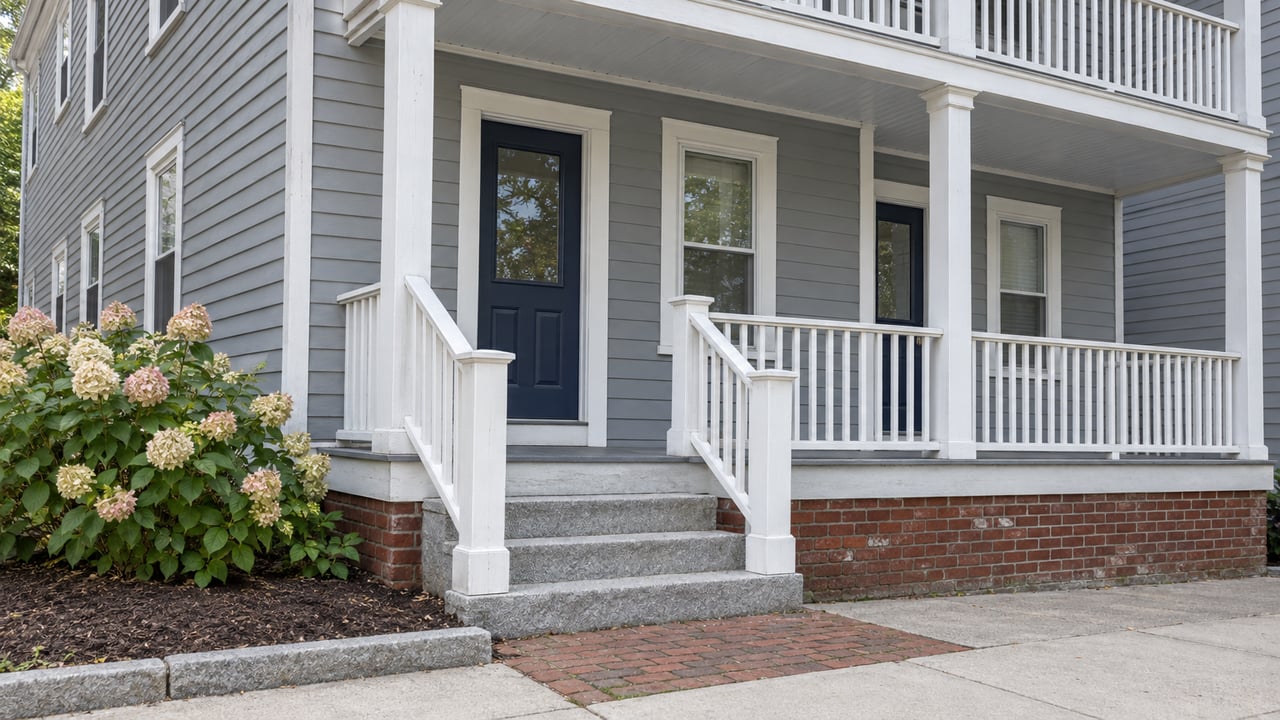
Portland’s housing stock is old, and that matters when you buy a small apartment building. A Census-derived housing profile puts Portland’s median year structure built at 1944, which fits the city’s large inventory of older walk-ups, duplexes, and small apartment buildings. Older stock can create opportunity, but it can also create surprise costs.
For many investors, the real risk is not the purchase price. It is the capital work that shows up after closing. Roofs, boilers, plumbing stacks, electrical panels, and windows can all become major line items in older 2- to 10-unit properties.
Maine DEP also notes that lead exposure is most common in buildings built before 1950 and remains a concern in buildings built before 1978 when repainting or remodeling happens. That means your reserve planning should go beyond normal turnover costs. If you are looking at a value-add building, lead-safe work practices and renovation planning should be part of your underwriting from day one.
Portland Rent Control Matters
In Portland, local rent-control rules are one of the biggest filters for any small multi family purchase. The city states that rental units in Portland are generally covered, but owner-occupied 2-, 3-, and 4-unit buildings are exempt. That single distinction can materially change how you evaluate a property depending on whether you plan to live in one unit.
For covered units, Portland says rent may increase only once every 12 months. The city’s FAQ lists the 2026 allowable increase percentage at 2.2%, and it states that no rent increase may exceed 10% in a single action. Portland also requires rental properties to be registered within 14 days of being rented, and an existing rental property that is purchased and kept as a rental must be registered under the new owner within 30 days of transfer.
For you, this means rent growth assumptions need to be conservative and local. If a listing looks attractive because rents appear below market, you need to confirm what can actually be adjusted, when, and under what rules. In Portland, the path from under-market rents to higher income may be slower than expected.
Key Questions Before You Make an Offer
Before you move ahead on a 2- to 10-unit building in Portland, it helps to pressure-test the deal from a few angles.
How old are the major systems?
An older building may still be a good investment, but you need a clear picture of the roof, heating system, plumbing, electrical service, and windows. If those items are near the end of their useful life, your first few years of ownership could look very different from the seller’s trailing numbers.
Is the property owner-occupied or fully investor-owned?
This matters because Portland’s rules treat some owner-occupied small buildings differently. If you are considering house hacking or living in one unit, the property may fit a different operating model than a fully non-owner-occupied building.
What is the utility structure?
Utility setup can affect both cash flow and management load. A building with simpler utility separation may operate very differently from one where the owner carries more of the ongoing expense burden.
Are current rents aligned with local rules?
Do not assume a gap between in-place rents and market rents can be closed quickly. Review lease terms, increase timing, and city rules before you count on future upside.
What does post-close management look like?
A small building can still be management-intensive. Tenant communication, repairs, registration, and compliance all take time, especially in older stock.
Portland vs South Portland vs Westbrook
If you are open to nearby markets, comparing Portland with South Portland and Westbrook can help you match your goals with the right city.
| City | Investor Snapshot |
|---|---|
| Portland | Strongest renter pool of the three, median gross rent of $1,577, and the highest share of multi-unit housing. Also has the most meaningful local rent-control friction for many small multifamily investors. |
| South Portland | Median gross rent of $1,812 and median household income of $86,838. For many small 2- to 10-unit owners, rent-stabilization rules are less restrictive because the city summary says owners of 15 or fewer units are exempt from the annual cap. |
| Westbrook | Median gross rent of $1,392 with an older downtown housing base that can offer more value-add potential, but also more condition and management risk. |
Portland often fits investors who want the deepest renter pool and can handle more compliance complexity. South Portland may appeal to buyers looking for stronger income levels and somewhat more operational flexibility on smaller holdings. Westbrook can make sense if you are targeting lower basis and are prepared for heavier rehab or management work.
A Practical Portland Investment Lens
A good Portland small multi family deal is rarely just about the cap rate. It is about how the building’s age, condition, rent structure, and compliance obligations work together. Two properties with similar asking returns can perform very differently once you factor in reserves, registration, and rent-growth limits.
That is why local, property-level analysis matters. You want to understand not only whether a building looks good today, but also how it will operate after the closing when the real work begins. A smart buy in Portland usually starts with realistic assumptions, not optimistic ones.
If you want help evaluating a 2- to 10-unit building in Portland or comparing it with options in South Portland or Westbrook, Veronica Schneider brings investor-focused guidance, hands-on property management insight, and long-term local perspective to help you buy with more clarity and confidence.
FAQs
What makes Portland attractive for small multi family investing?
- Portland has a large renter base, a median gross rent of $1,577, and a housing stock where 57.41% of units are in multi-unit structures, which supports demand for small rental buildings.
What cap rate range should you expect for Portland small multi family properties?
- Current asking examples suggest a practical screening range of roughly 6.5% to 8.0%, with more stable properties often at the lower end and older or value-add buildings at the higher end.
Why does building age matter when buying Portland multi family property?
- Portland’s median year structure built is 1944, so many buildings may carry higher capital improvement needs and potential lead-related renovation concerns, especially in properties built before 1950 or before 1978.
How does Portland rent control affect small multi family investors?
- Portland says rental units are generally covered, but owner-occupied 2-, 3-, and 4-unit buildings are exempt. For covered units, rent increases are limited by city rules, including once every 12 months and other stated caps.
Is South Portland easier to underwrite than Portland for small investors?
- For many small investors, it can be. South Portland’s summary says owners of 15 or fewer units are exempt from the annual rent-stabilization cap, though registration, disclosure, and notice rules still matter.
What kind of investor might prefer Westbrook over Portland?
- Westbrook may appeal to investors looking for a lower entry point and more value-add upside, but it often comes with older housing stock and greater condition or management complexity.