Buying lakefront property around Raymond can feel like a dream come true, but it also comes with details that matter more here than in a typical home search. If you are looking at Sebago Lake, Panther Pond, Crescent Lake, or one of Raymond’s other waterfront areas, you need to think beyond the view. This guide will help you understand the practical questions to ask, the local rules that can affect your plans, and the due diligence that can protect your investment. Let’s dive in.
Why Raymond lakefront draws buyers
Raymond is a four-season community on the northeastern shore of Sebago Lake, with a year-round population of about 4,500 that grows to roughly 12,000 in the summer. That seasonal swing shapes the market in a big way. You are not just buying a home here. You are often buying into a recreation-focused shoreline lifestyle that can serve as a primary residence, a second home, or a long-term family retreat.
The town’s planning and resource materials point to several key water bodies, including Sebago Lake, Panther Pond, Crescent Lake, Raymond Pond, Thomas Pond, Nubble Pond, and Notched Pond. That variety gives buyers options, but each shoreline can come with different practical considerations. Access, lot layout, permitting history, and long-term maintenance can all affect how well a property fits your goals.
Start with year-round vs seasonal use
One of the first questions to answer is whether the property is legally year-round or seasonal. Raymond’s shoreland ordinance defines a year-round dwelling as suitable for occupancy 365 days a year, while a seasonal dwelling is suitable only during the warmer months. That distinction matters if you plan to live there full time, use it during winter, or make upgrades over time.
The ordinance also identifies conversions of seasonal homes to year-round homes as a regulated land use in the shoreland zone. In plain terms, you should not assume a charming camp can simply become a full-time residence without review. If a property has been used seasonally, you will want to verify whether any conversion was permitted, completed, or still in process.
When you tour a lakefront cottage or camp, ask practical questions such as:
- Has the home been occupied during winter?
- What heating system is in place?
- How is plumbing protected from freezing?
- Were the septic and water systems designed for full-time use?
- Were permits pulled for any major upgrades?
These questions are especially important because Raymond’s code office notes that septic work requires permits when systems are new, expanded, or replaced. A property that looks move-in ready in July may need a closer review if you plan to use it in January.
Understand lot size and shore frontage
Waterfront value is not just about acreage on paper. In Raymond’s shoreland districts, lot standards are specific. LRR1 lots must be at least 2 acres, LRR2 lots must be at least 3 acres, residential shore frontage must be 225 feet, and the normal high-water-line setback is 100 feet.
There is another detail buyers often miss. Land below the normal high-water line does not count toward minimum lot area. So a parcel may appear generous from the road or on a listing sheet, but the part that actually counts for setbacks and development potential may be more limited than expected.
This is one reason shoreline geometry matters. A narrow lot, irregular shoreline, or steep approach to the water can affect what you can build, expand, or replace later. If you are buying with future plans in mind, it is worth reviewing the survey, tax map, and any prior approvals before you get too far down the road.
Look closely at docks, piers, and moorings
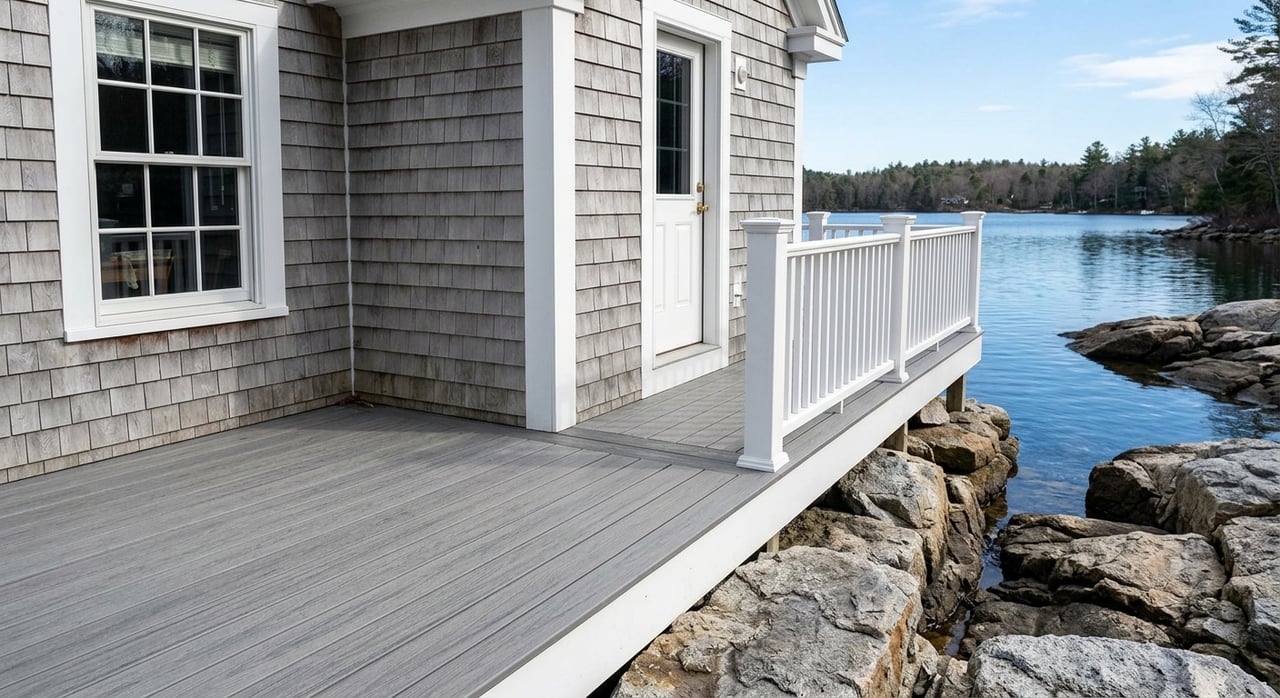
For many buyers, water access is the whole point of owning in Raymond. But access features are regulated, and the details matter. Raymond generally allows only one pier, dock, wharf, or similar structure per lot unless the parcel has at least twice the minimum shore frontage.
The ordinance also says shore access should be built on soils appropriate for the use and designed to control erosion. That means an existing dock or path to the lake is not just a convenience feature. It is part of the property’s compliance and maintenance picture.
You should review:
- Whether the dock or pier is existing and permitted
- Whether there are records for any mooring
- Whether shoreline access shows signs of erosion
- Whether the frontage supports your intended boating setup
Moorings are governed by Maine law. Harbor masters assign mooring locations on great ponds and generally limit a shorefront parcel to one mooring under the shore-rights privilege. State law also allows removal of a mooring or floating dock during ice-in conditions if leaving it in place would create a public safety hazard.
If boating is central to how you will use the property, these rules should be part of your early planning rather than a surprise after closing.
Permits matter more than many buyers expect
Lakefront properties around Raymond often involve a longer due diligence checklist because so much activity near the water is regulated. Raymond requires building permits for structural alterations, decks, pools, finishing unfinished space, new construction, electrical work, plumbing, and septic work. The town says applications are typically processed in about 48 hours, but some projects may also need review from other local or state bodies.
That is why permit history is so important. If a seller added a deck, expanded a structure, updated septic, or changed the use of the property, you want to confirm that the work was properly approved. This is not just about paperwork. It can affect your renovation plans, financing, insurance, and resale down the line.
Raymond’s code office specifically advises contacting the CEO before work involving:
- Construction or additions
- Tree removal or trimming
- Soil or duff disturbance
- Anything within 100 feet of the high-water mark
Even if a home is not directly on the shoreline, local shoreland review may still apply. Raymond’s shoreland ordinance applies to land within 600 feet of the normal high-water line of great ponds and rivers. That means near-lake properties can still carry important development limits.
Check water, septic, and winter-readiness
A waterfront setting does not automatically mean the home systems are turnkey. If the property uses a private well, Maine CDC says private wells are not regulated and owners are responsible for testing and treatment. That makes water quality and system performance a key part of your inspection process.
You will also want to understand the septic system’s age, capacity, and intended use. A system that worked well for limited summer occupancy may not be ideal for year-round living or heavier guest use. If you are comparing multiple homes, this is one of the areas where a lower-priced property can quickly become more expensive after closing.
For buyers considering four-season use, winter-readiness should be part of every showing and inspection conversation. Heating method, insulation, crawl space conditions, and freeze protection can all shape the true cost of ownership. A beautiful camp can still be the right purchase, but only if you know what it is and what it needs.
Consider floodplain and shoreland review early
Raymond participates in the National Flood Insurance Program and uses a floodplain management ordinance. For buyers, that means it is smart to verify whether a parcel lies in a special flood hazard area and whether flood insurance or additional review may apply.
This step is easy to overlook when the focus is on views, frontage, and summer enjoyment. But floodplain status can affect insurance costs, future improvements, and lender requirements. It is better to identify those issues early than try to sort them out late in the transaction.
Shoreland review is just as important. Near-water ownership in Raymond comes with a level of stewardship, regulation, and planning that is part of the value of the area. The town’s resource materials also point residents toward watershed and lake associations, which reflects how closely water quality and shoreline care are tied to ownership here.
Think about access and lake use
Your experience of a lakefront property is shaped by more than the house itself. Public access, launch patterns, and lake-use rules can affect daily enjoyment and long-term value. Raymond Beach serves as the Jordan Bay boat-launch and beach facility, and local materials note that the town and lake groups conduct courtesy boat inspections at launch sites on Crescent Lake, Panther Pond, Sebago Lake, and Thomas Pond.
If you plan to keep a motorized boat, remember that Maine requires the Lake and River Protection sticker on motorized watercraft on inland waters, including personal watercraft and canoes with electric motors. It is a small detail, but one that belongs on your move-in checklist. In a lakefront purchase, lifestyle details and compliance details often overlap.
A smart buying strategy for Raymond lakefront
Buying around Raymond is often about balancing lifestyle and property realities. You may be choosing between a move-in-ready year-round home, a seasonal camp with character, or a property with upside that depends on permitting and system upgrades. The right fit depends on how you plan to use the property now and how you want it to serve you over time.
A practical buying approach usually includes:
- Confirming whether the dwelling is seasonal or year-round
- Reviewing permit history for additions, septic, and major improvements
- Checking lot size, frontage, and setback constraints
- Understanding dock and mooring status
- Testing well water and evaluating septic capacity
- Reviewing floodplain and shoreland implications
- Matching the property to your actual boating, access, and winter-use plans
That kind of due diligence helps you buy with confidence, not just excitement. In a market like Raymond, where waterfront homes can carry both emotional appeal and long-term stewardship responsibilities, a clear plan can make all the difference.
If you are exploring lakefront property around Raymond, working with a local advisor who understands shoreline rules, second-home decision making, and long-term ownership costs can help you avoid expensive surprises. When you are ready to talk through your goals, connect with Veronica Schneider for practical guidance grounded in the Sebago Lake corridor.
FAQs
What should you verify before buying a seasonal camp in Raymond?
- You should confirm whether the property is legally seasonal or year-round, review permit history, and check how the heating, plumbing, septic, and water systems support your intended use.
How do shoreland rules affect lakefront property in Raymond?
- Raymond’s shoreland rules can affect lot area, shore frontage, setbacks, seasonal-to-year-round conversions, tree work, additions, and projects near the high-water mark.
What dock and mooring limits apply to Raymond waterfront homes?
- Raymond generally allows one pier, dock, wharf, or similar structure per lot unless the parcel has at least twice the minimum shore frontage, and Maine law generally limits a shorefront parcel to one mooring under shore-rights privilege.
Why is septic review important for Raymond lakefront buyers?
- Septic review matters because a system may have been designed for seasonal occupancy rather than year-round use, and new, expanded, or replaced septic work requires permits in Raymond.
Do Raymond waterfront buyers need to think about flood insurance?
- Yes, buyers should verify whether the property lies in a special flood hazard area because floodplain status can affect insurance needs, lender requirements, and future improvements.