Thinking about selling in Falmouth and wondering where to start? You know buyers here expect quality, and you want to land the right price without leaving money on the table. In this guide, you’ll get a clear plan to price your home with confidence and prepare it for a smooth sale, all tailored to Falmouth’s market and Maine requirements. Let’s dive in.
Understand Falmouth’s market first
Falmouth is one of the higher-priced towns in the Portland area, and numbers can swing with season, interest rates, and the mix of waterfront sales. That is why you should rely on a current, hyperlocal CMA rather than broad ZIP-level snapshots. A strong CMA focuses on similar nearby sales, active competition, and pending listings that reflect what buyers are paying now.
As you refine price, confirm facts that affect value. Use the regional assessing records to verify lot size, square footage, and recent tax indicators, then reconcile that with your CMA and showing feedback. You can review Falmouth’s assessor and tax information through the county’s regional assessing portal to set realistic carrying cost expectations for buyers. Visit the Cumberland County Regional Assessing page for Falmouth to confirm assessment details and tax-rate context: Cumberland County Regional Assessing for Falmouth.
Build a pricing strategy that works
Pricing is not a single number, it is a strategy that aligns with your timing and the current level of demand.
Price at market
This option attracts the largest pool of qualified buyers. If your home matches what buyers are chasing and you price in line with the best comps, you often see strong traffic, quick offers, and fewer negotiations.
Strategic underpricing
A small under-market step can generate multiple offers when supply is tight and your home is highly marketable. This can create urgency and a stronger final price. It works best when the home shows beautifully and the competition is thin.
Aggressive or above-market
This carries higher risk in a data-savvy market. Overpriced listings tend to sit, gather days on market, and often need reductions, which can weaken your negotiating position. If you try this route, monitor showings and feedback closely during the first two weeks and be ready to adjust.
Tackle systems and safety early
Falmouth buyers pay close attention to utilities and health-related tests. Handling these items up front builds trust and can prevent last-minute concessions.
Sewer, septic, and water source
Parts of Falmouth connect to public sewer, while others rely on private septic systems and wells. Confirm your home’s status early and gather any permits and service records, since these often become negotiation points. The town’s wastewater page outlines connection expectations and contacts: Falmouth Wastewater and Sewer.
Well water and arsenic
If you have a private well, plan to test for arsenic and other contaminants before listing. Elevated arsenic is documented in many Maine wells, and buyers often expect recent results. Review Maine-specific public-health research to understand why testing matters: Arsenic in Maine private wells.
Radon testing
Radon testing is common in Maine transactions, especially for homes with basements or finished space below grade. Consider providing recent results or scheduling a quick test so buyers can make confident decisions. The state’s program explains testing and action levels: Maine CDC radon FAQ.
Make high-ROI improvements buyers notice
Focus first on projects that improve first impressions and reduce inspection risk. Then consider targeted cosmetic refreshes that match your neighborhood’s finish level.
Low-cost, high-visibility wins
- Declutter, deep clean, and neutralize paint colors.
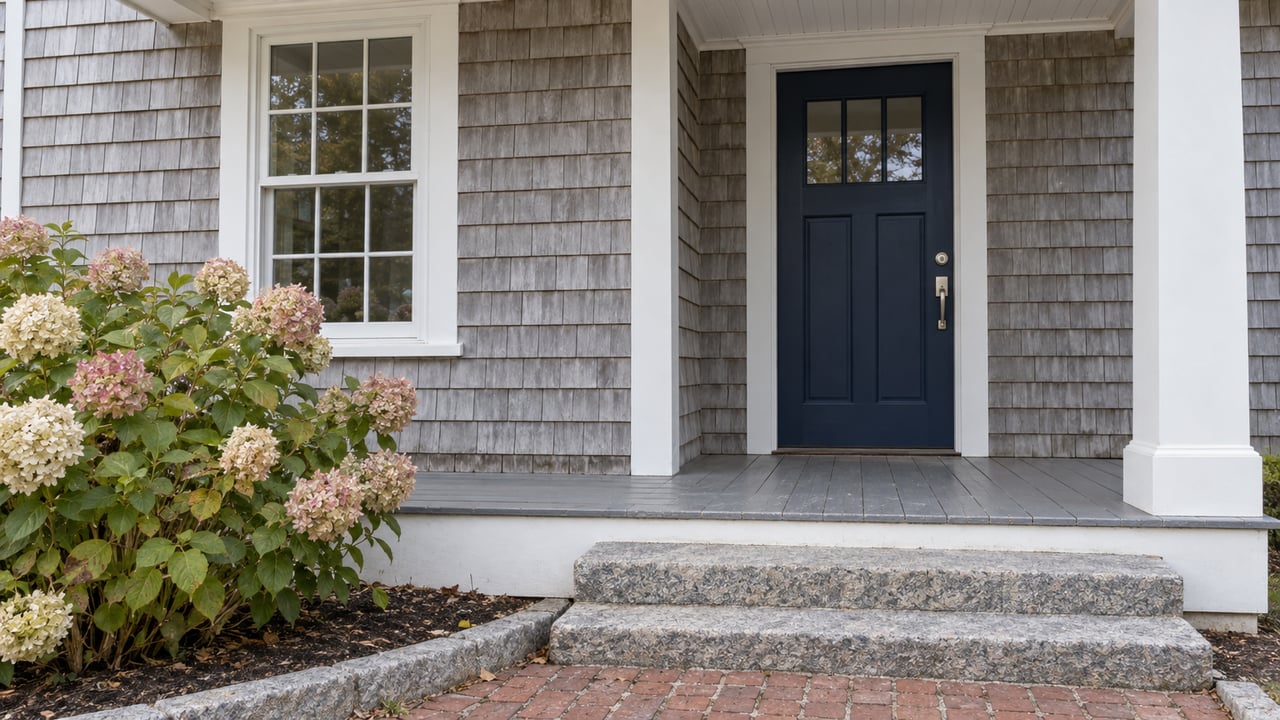
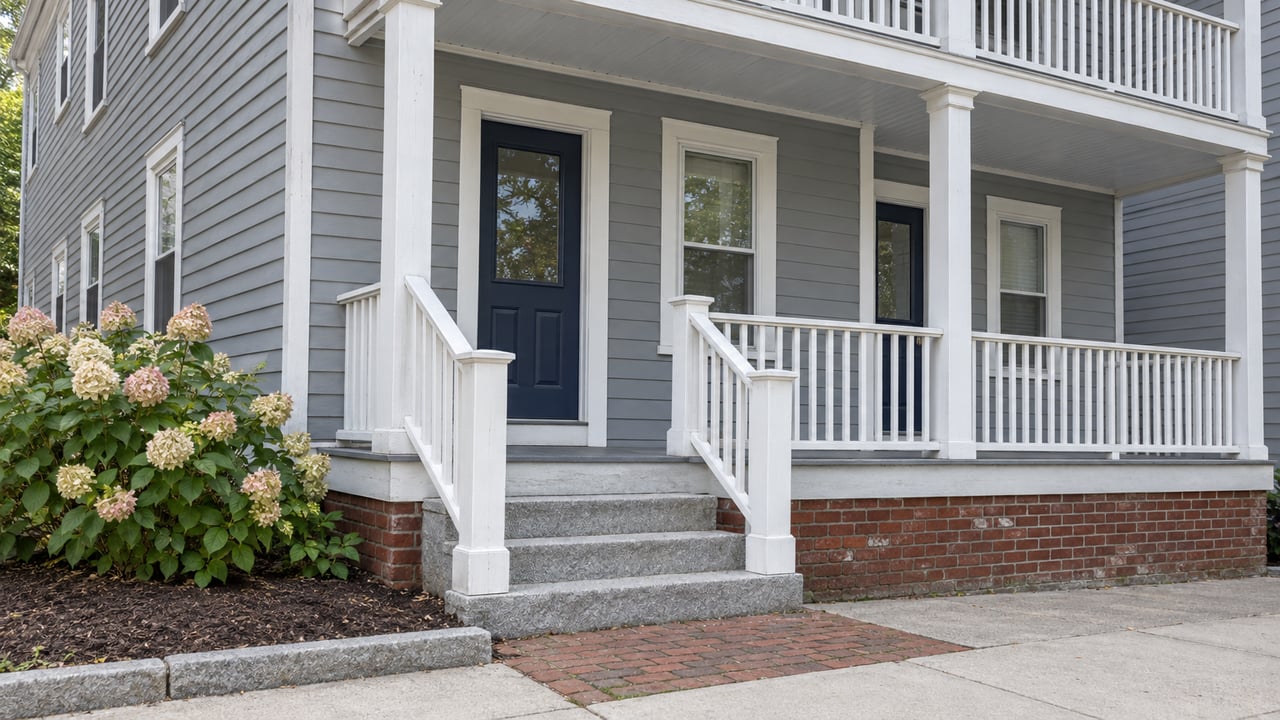
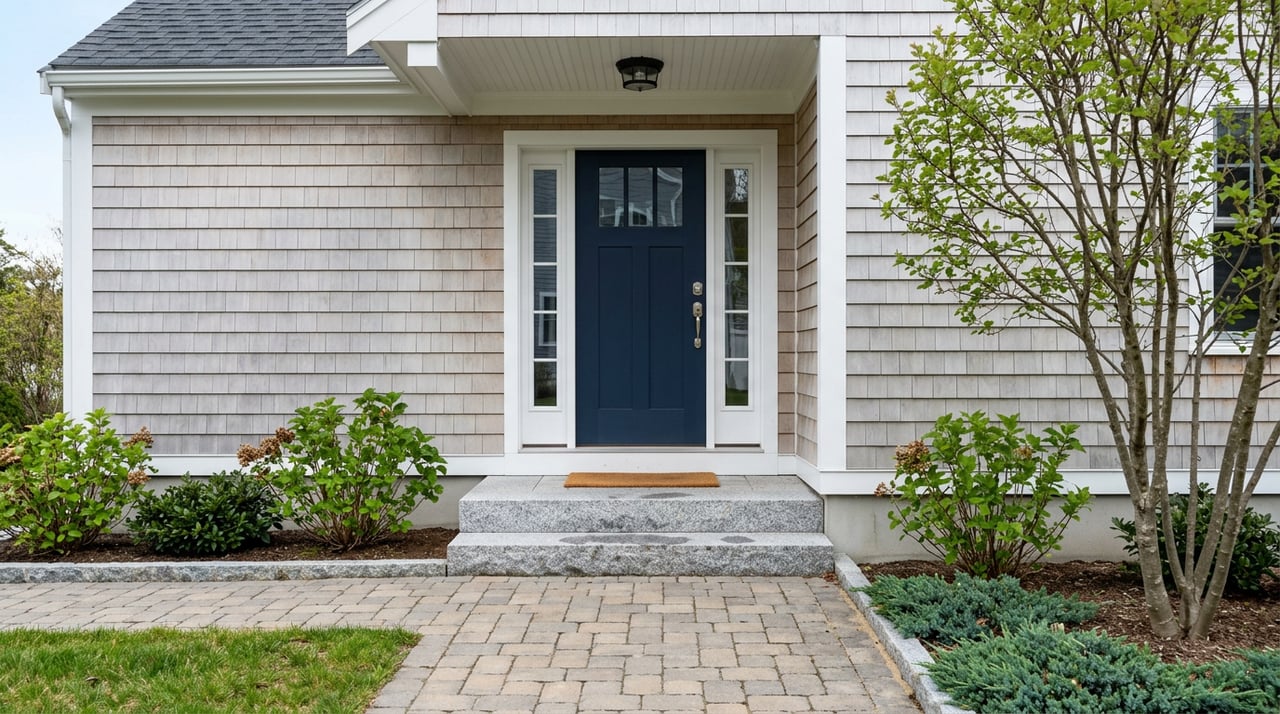
- Refresh landscaping and entry areas with tidy beds, trimmed shrubs, and a clean front walk.
- Invest in professional photography and simple, purposeful staging.
Exterior projects with strong recapture
Curb appeal is powerful in high-value markets like Falmouth. National data show that a new garage door, a steel entry door, manufactured stone veneer, and certain siding updates often rank among the best cost recapture projects. See the annual Cost vs. Value study for guidance on which midrange updates pay back most: 2025 Cost vs. Value.
Kitchen and bath refreshes
You can win buyers with a minor kitchen makeover rather than a full gut. Think cabinet refacing or paint, new hardware, updated counters, modern lighting, and coordinated appliances. Aim to meet, not wildly exceed, the level of nearby comps.
Mechanics and safety items
Service the heating system, address roof repairs, and correct obvious electrical safety issues like missing GFCIs in wet areas. These items show up frequently on inspection reports and can erode buyer confidence if left unaddressed. For a sense of common findings inspectors flag, review this overview of recurring defects: Typical inspection trouble spots.
Plan for coastal specifics
Waterfront and near-shore properties in Falmouth require extra documentation. Buyers will ask detailed questions about policy, permits, and risk.
Shoreland zoning and permits
Work near the water is governed by municipal and state rules, including setbacks, vegetation standards, and permitting. If you have shoreline improvements like seawalls or bulkheads, gather permits and approvals in advance. This EPA resource outlines shoreland protection concepts, including the 250-foot buffer used in Maine: Shoreland protection overview.
Flood and insurance readiness
Coastal buyers care about FEMA flood zone status, elevation, and any history of storm damage. If relevant, consider obtaining an elevation certificate and a current flood insurance quote so you can answer cost questions early and avoid surprises during underwriting.
Time your Falmouth listing
Spring typically brings the most buyer activity, with continued interest into summer in coastal towns. If your timing is flexible, align prep work and move-out plans so you can hit the market when buyer traffic is highest. That said, well-prepared and well-priced homes can sell in any season when they stand out and meet buyer expectations.
If you need to list in fall or winter, lean into pristine presentation, accurate pricing, and clear documentation. Buyers shopping off-peak have serious intent, but they will compare closely on condition and value.
Your 8-week pre-list timeline
Use this simple, practical schedule to stay on track.
- Weeks 6 to 8
- Interview agents and order a detailed CMA.
- Confirm sewer or septic status and water source with town records. Start gathering permits and service invoices. See the town’s wastewater guidance here: Falmouth Wastewater and Sewer.
- Consider a pre-list inspection to uncover issues before buyers do.
- Weeks 4 to 6
- Complete high-priority fixes. Service the heating system, address minor electrical safety items, and patch roof or flashing.
- If you have a well or a basement, complete arsenic and radon testing and plan remediation if needed. Maine’s program explains acceptable testing methods and action levels: Maine CDC radon FAQ.
- Tackle exterior curb appeal and schedule professional photos.
- Weeks 2 to 3
- Finalize light cosmetic updates. Stage key rooms for scale and flow.
- Assemble your disclosure packet with any well, radon, or septic reports, plus maintenance records.
- Review the listing description and confirm feature highlights that match buyer priorities.
- Listing week
- Go live, monitor showings per day, and track feedback. Compare early activity to nearby new listings and be ready to adjust pricing or marketing in the first 10 to 14 days if demand is below expectations.
Disclosures and documents in Maine
Maine requires a seller property disclosure for most residential sales. It covers water supply, waste disposal, heating systems, and known defects, among other items. Completing this form carefully and attaching supporting reports is one of the best ways to prevent post-closing disputes. Review the statute for an overview of what you must disclose: Maine residential disclosure law.
If your home was built before 1978, you will also provide the federal lead-based paint disclosure and pamphlet. For radon testing, Maine recognizes results from registered testers and sets clear guidance on procedures, so coordinate with your agent if testing will be part of the sale: Maine CDC radon FAQ.
Avoid common negotiation flashpoints
You can prevent many price reductions and repair credits by getting ahead of the issues that most often derail deals in Falmouth.
- Septic or well failures, along with radon or arsenic issues. Test and address early, and provide documentation.
- Shoreline or flood history and missing permits for waterfront work. Gather approvals and be transparent about any past storm impacts.
- Older electrical panels, end-of-life heating systems, and aging roofs. Service or replace when practical, and include invoices or permits in your disclosure packet.
If your home uses public sewer, buyers may ask about connection details and history of any work. The town publishes connection information that can help you answer these questions clearly: Falmouth sewer connection information.
The bottom line for Falmouth sellers
Price based on the strongest local comps, present a clean and well-documented home, and fix the items most likely to show up on inspection. Handle utilities and health-related tests up front, then invest in the targeted exterior and cosmetic updates that meet neighborhood expectations. With a clear plan and the right guidance, you can maximize your sale price and minimize stress.
If you would like a customized pricing strategy and a step-by-step prep plan for your home, connect with Veronica Schneider. Schedule a consultation and get local, data-backed guidance from a trusted advisor.
FAQs
How should I price a Falmouth home with a septic and well?
- Confirm the systems’ status and recent testing, adjust your CMA for similar properties with the same utilities, and price in line with well-documented comps while providing test reports up front to support value.
What pre-list tests do Maine buyers expect in Falmouth?
- Radon and well water testing are common when applicable, and buyers also look for clear documentation of sewer or septic systems, plus maintenance records for heating and roof.
Which repairs and updates deliver the best ROI before selling?
- Focus on curb appeal, a clean entry, minor kitchen refreshes, and select exterior projects like a new garage door or updated siding that show strong national cost recapture, then handle safety and mechanical fixes.
What do I need to disclose as a Maine home seller?
- You must provide a property disclosure that covers water, waste disposal, heating, known defects, and more, and you should attach any test results or permits to reduce liability and build buyer confidence.
When is the best time to list a home in Falmouth?
- Spring into early summer often brings the most activity, but well-prepared, well-priced homes can sell in any season when they stand out on condition, documentation, and value.
What extra steps should waterfront sellers take in Falmouth?
- Compile shoreland permits, note FEMA flood zone status, consider an elevation certificate, and disclose any storm history or shoreline work so buyers and insurers can evaluate risk and cost accurately.