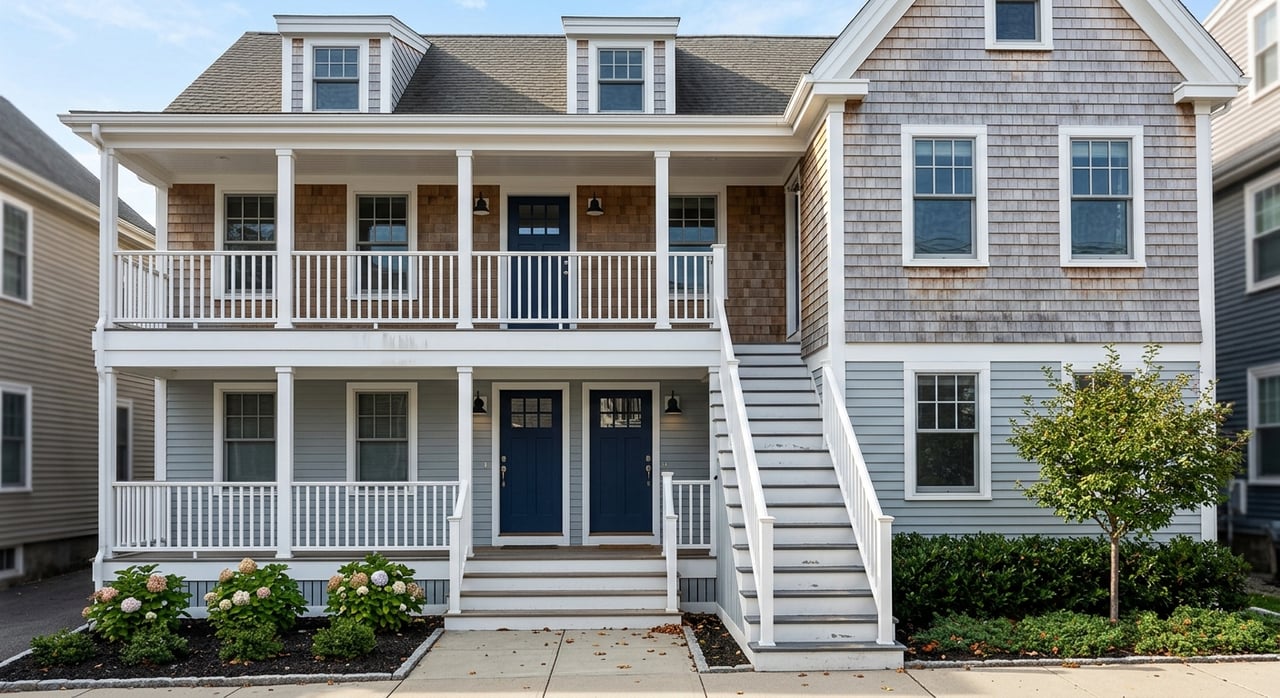
If you are looking at a Portland multi-unit property, the numbers can look promising at first glance. But in this market, a deal that seems solid on paper can change quickly once you account for real rents, city compliance costs, older building systems, and realistic turnover timing. If you want to underwrite with more confidence, this guide will show you how to pressure-test a Portland multi-unit the way a careful local investor should. Let’s dive in.
Start With Portland’s Local Rental Picture
Portland is a renter-heavy market, which is one reason multi-unit properties attract so much attention. Census QuickFacts for 2020 through 2024 show 39,175 housing units, 35,048 households, and a 46.9% owner-occupied rate. The city’s median gross rent is $1,577, which gives you a useful starting point when you begin reviewing income assumptions.
That said, you should not underwrite a Portland building using one citywide rent number. Unit mix, condition, location, and regulatory limits all matter. A studio in one building may perform very differently from a renovated two-bedroom in another.
HUD’s FY2026 Cumberland County fair market rent schedule can help as a basic reality check. It lists $1,469 for studios, $1,658 for one-bedrooms, $2,130 for two-bedrooms, $2,591 for three-bedrooms, and $2,820 for four-bedrooms. These figures are not the same thing as market rent, but they are useful for testing whether your assumptions are in a reasonable range.
Underwrite Rents Unit by Unit
The best place to start is with in-place rents, not pro forma rents. Look at what each apartment is actually collecting today, then compare that unit to a realistic market benchmark. In Portland, this matters because not every unit can be pushed to a new rent level right away.
The city maintains a Housing Safety and Rent Control structure that includes rental housing rights resources, rent history, a rent board, long-term rental registration, short-term rental registration, and rental inspections. For underwriting, that means you should treat each unit as its own income story instead of assuming a quick building-wide reset.
A practical rent review should include:
- Current lease rent by unit
- Bedroom count and layout
- Condition and update level
- Utility setup
- Whether the unit appears stabilized or value-add
- How much of the upside depends on turnover
This is where many buyers get into trouble. They see below-market rents and assume instant upside, but the true timeline may depend on lease terms, notice requirements, and turnover.
Model Rent Growth Conservatively
In Maine, rent increases usually require at least 45 days’ written notice. If the increase is 10% or more within a 12-month period, 75 days’ notice is required. That rule alone is a good reason to avoid aggressive rent-step assumptions in your first-year underwriting.
You should also remember that initial move-in cash is limited. Maine caps a security deposit at two months’ rent and limits the initial move-in amount to the first full month’s rent, the allowed deposit, and any properly disclosed recurring fee. If you are estimating cash flow from turnover, do not overstate what can be collected up front.
A safer approach is to ask:
- Which rents are already near supportable market levels?
- Which units may need turnover before meaningful rent growth is possible?
- How long could that turnover realistically take?
- What happens if the upside arrives later than expected?
Account for Collections and Fee Income
Small line items can still affect your annual numbers. Maine says rent is considered late only after 15 days. A late fee is allowed only if it was disclosed in the rental agreement, and it is capped at up to 4% of one month’s rent.
That means you should not use inflated fee income to make a deal work. In a Portland multi-unit underwriting model, late fees should be a modest line item, not a hidden profit center. Conservative assumptions usually give you a clearer picture of the property’s real performance.
Build in Portland Compliance Costs
Generic multifamily templates often miss local compliance expenses. In Portland, owners and managers must register rental units with Housing Safety annually by January 1 and within 30 days of buying a rental property. The city’s registration form shows an annual fee of $35 per individually rented room and or dwelling unit.
That cost may look small, but it matters for accurate underwriting. More importantly, it tells you that Portland ownership comes with active compliance responsibilities. You should expect to budget for registration and review the property’s current registration status during due diligence.
Watch the Tax Assumptions Closely
Property taxes can throw off your numbers if you rely on rough statewide averages. In Portland, the better method is to use the subject property’s current assessment, tax bill, and the city’s most recent tax information. Parcel-level tax amounts are available through the city’s assessor and finance resources.
For a buyer, the takeaway is simple: underwrite taxes from the actual property record whenever possible. If you build your model from a vague rule of thumb, your projected returns may not hold up after closing.
Plan for Older Building Risk
Portland has a meaningful share of older housing stock, and that should shape your expense and reserve assumptions. A planning snapshot cited in city materials shows that 51.8% of units were built before 1939. It also shows a large share of housing in smaller multi-unit formats, including 2-unit, 3 to 4-unit, and 5 to 9-unit structures.
For investors, that often means more maintenance and more capital planning than a newer suburban asset. Roofs, boilers, electrical systems, plumbing, windows, fire systems, and deferred maintenance can change the performance of a small multi-unit very quickly.
When you underwrite a Portland building, reserve assumptions should reflect that reality. A lighter reserve might make the cap rate look better, but it can also hide the true cost of ownership.
Separate Stabilized From Value-Add Income
One of the most useful underwriting habits is splitting the building into stabilized income and future upside. Stabilized income is what the property can reasonably support today based on current rents, occupancy, and condition. Future upside is what may happen later if units turn over, updates are completed, or operations improve.
In Portland, this distinction matters because the upside often depends on timing, not just pricing. If your investment thesis only works when every unit reaches a higher rent right away, the deal may be more fragile than it appears.
A simple way to frame it is this:
| Underwriting Item | Safer Approach |
|---|---|
| Current rent | Use actual in-place rent |
| Market rent | Compare by unit type, not one average |
| Upside timing | Tie to turnover and notice periods |
| Compliance cost | Include registration fees |
| Taxes | Use current city tax data |
| Reserves | Heavier for older systems |
Stress-Test Before You Fall in Love
A good Portland underwriting model should hold up even when conditions are less favorable than expected. One practical approach is to haircut rents, increase vacancy or credit loss, raise operating expenses, and add a capital reserve line before deciding whether the property still works.
A useful stress test might include:
- Rents that are 5% to 10% below your base case
- Vacancy or credit loss that is 1 to 2 points higher
- Operating expenses that rise 10% to 15%
- One major capital item hitting earlier than planned
These are conservative modeling choices, not legal requirements. But they are often what separates a durable hold from a deal that only works in a polished spreadsheet.
Think About Exit Strategy Early
If your long-term plan includes condo conversion or another exit that depends on tenant turnover, you need to underwrite that strategy from day one. Portland’s condo conversion permit materials say a conversion permit is required. They also note that rent may not be changed during the official noticing period unless a pre-existing written lease allows it, tenants receive a 60-day exclusive option to purchase, and relocation payments may be due.
That adds timing, cost, and coordination to your exit plan. In other words, your future sale strategy is not separate from underwriting. It is part of the investment decision at acquisition.
A Practical Portland Underwriting Checklist
Before you move forward on a multi-unit property in Portland, make sure you can answer these questions with confidence:
- What is each unit collecting today?
- What rent can each unit realistically support now?
- Which units are truly stabilized?
- Which units require turnover for upside?
- Has the property been properly registered with the city?
- Are the tax assumptions based on the actual parcel?
- Have you built in realistic reserves for older systems?
- Does the deal still work under a stress-tested scenario?
- If your exit depends on tenant turnover, have you modeled the timing carefully?
When you slow down and underwrite this way, you give yourself a much better chance of buying for long-term performance instead of short-term optimism.
Portland can offer strong opportunity for multi-unit investors, but the strongest deals are usually the ones that survive a realistic local analysis. If you want help reviewing a building, comparing real income potential, or pressure-testing a purchase before you commit, Veronica Schneider offers practical, investor-focused guidance rooted in Portland market knowledge and hands-on multi-unit experience.
FAQs
How should you estimate rent for a Portland multi-unit property?
- Start with in-place rent for each unit, then compare each apartment to a realistic benchmark using unit type, condition, and local rent context such as Portland rent data and Cumberland County fair market rents.
Why do Portland multi-unit underwriting models need larger reserves?
- Portland has an older housing stock, with city planning materials showing that 51.8% of units were built before 1939, so major building systems may require more capital planning than newer properties.
What local fees should you include when underwriting Portland rental property?
- Include Portland’s rental registration cost, which the city’s form shows as $35 per individually rented room and or dwelling unit, along with normal operating expenses and reserves.
How do Maine rent increase rules affect Portland underwriting?
- Maine requires at least 45 days’ written notice for most rent increases and 75 days if the increase is 10% or more in a 12-month period, so rent growth assumptions should be conservative and tied to realistic timing.
What tax method is best for underwriting Portland investment property?
- Use the subject property’s current city assessment and tax bill, along with the most recent Portland tax information, instead of relying on broad statewide rules of thumb.
How should you stress-test a Portland multi-unit deal?
- Test lower rents, slightly higher vacancy or credit loss, higher operating expenses, and an earlier capital item to see whether the property still performs under more conservative conditions.