Thinking about trading city buzz for coastal calm without losing access to Portland’s jobs and culture? You are not alone. Many buyers look to Falmouth for its blend of seaside character, suburban convenience, and a close-knit community feel. In this guide, you will get a clear picture of daily life, neighborhoods, schools, recreation, and the practical details that help you decide if Falmouth fits your next move. Let’s dive in.
A day in Falmouth
Picture a morning that starts with coffee on the porch while Casco Bay air drifts in, a quick school drop-off, and a short drive into downtown Portland via I-295 or Route 1. After work, you might walk the loop on Mackworth Island, take the kids to a town trail, or meet friends for dinner along the corridor where shops and services are close at hand. Weekends often revolve around the water with boating, kayaking, or simple shoreline strolls, and quick errands along Route 1. It is a suburban pace with easy access to city perks when you want them.
Neighborhoods at a glance
Falmouth Foreside
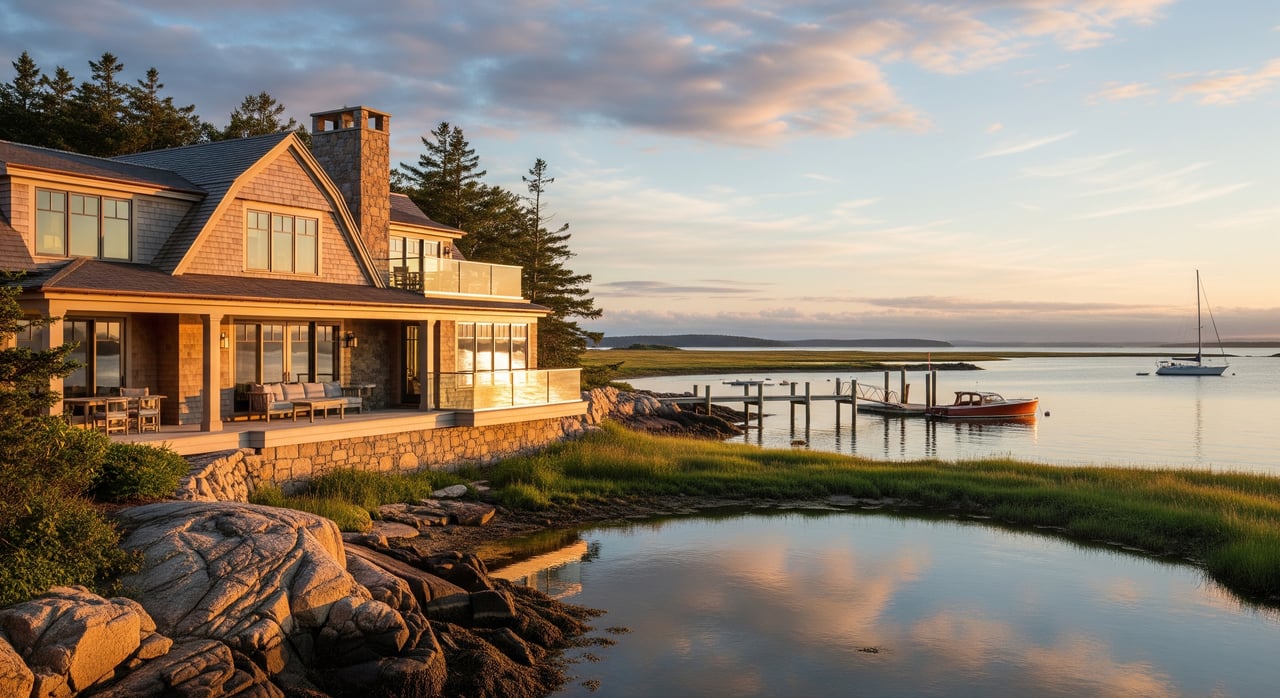
Falmouth Foreside stretches along the coast with a distinctive seaside feel. You will find historic cottages, shingled homes, and village-like streets. Lots tend to be smaller than inland areas, and some pockets offer coastal access or private docks. Sidewalks and coastal paths increase walkability in places, and summer brings more activity along the shoreline.
Inland residential areas
Inland Falmouth includes tree-lined neighborhoods with mid-century ranches, split-levels, and colonials, as well as newer subdivisions with larger lots. These areas favor classic, family-friendly layouts and yards for play or gardening. Most daily errands generally require a car, though you will see trails and local parks woven through these communities.
Newer and custom homes
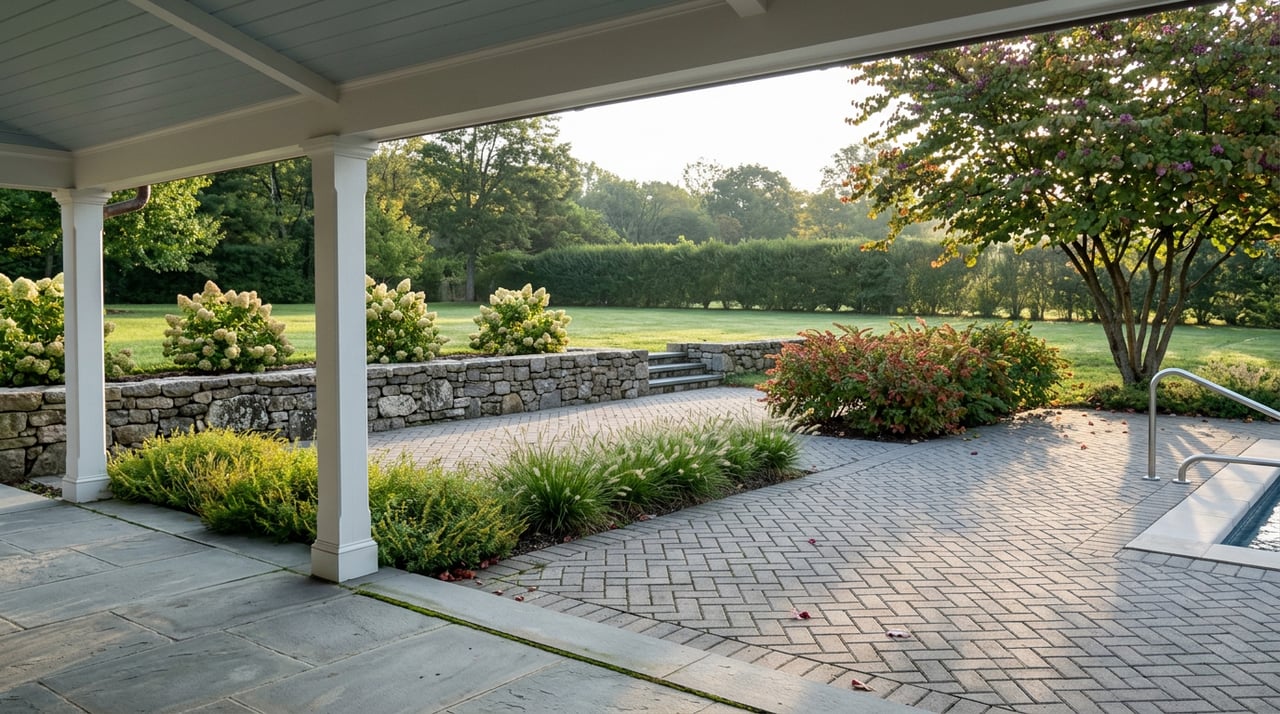
Across town, you will also find upper-end and custom construction, including larger homes on generous lots and select waterfront properties. Many newer builds emphasize open floor plans, big kitchens, and home office space. If you want new systems, modern finishes, and privacy, this segment is worth exploring.
Housing styles and what to expect
Classic Maine architecture
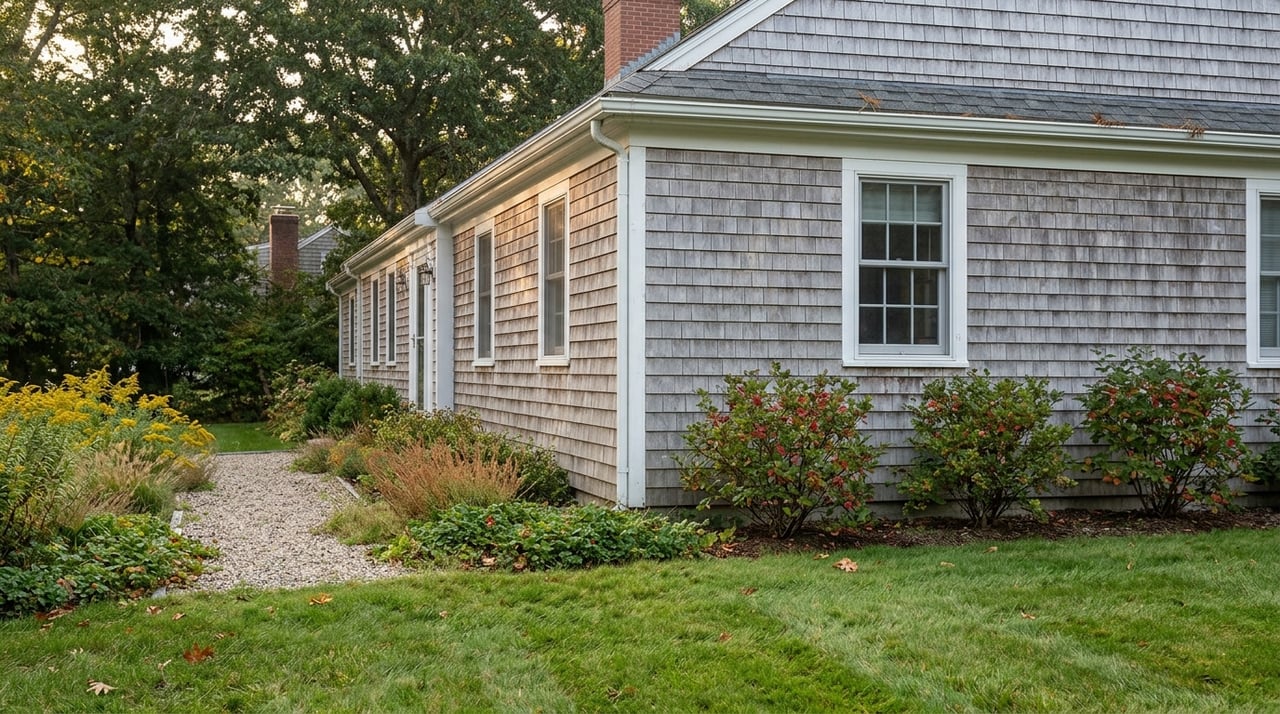
Expect a range of styles that fit a coastal New England town: shingled and cottage-style homes near the water, colonials and Cape Cods throughout, and mid-century ranches and bungalows. Renovated properties often keep traditional curb appeal with updated interiors.
Renovation trends
Open layouts and chef-forward kitchens are common, with flexible rooms that convert to offices or guest suites. You will also see thoughtful mudrooms, upgraded mechanicals, and energy-minded improvements. Buyers who want move-in ready often target recent renovations or new construction.
Associations and deed rules
Some subdivisions include homeowner associations or deed restrictions that guide exterior changes, fencing, or shared amenities. Before you write an offer, review association documents and confirm any design guidelines or fees that may affect your plans.
Schools and family life
District overview
Falmouth serves K–12 through its own public school district. Families often point to academics, extracurriculars, and community support as reasons they look here. The high school is a focal point for school events and activities.
What parents verify
Before you buy, take time to confirm details that matter to your household. Look up standardized test performance, graduation rates, and course offerings like AP or career and technical options. Check enrollment trends, student-to-teacher ratios, and any updates on district boundaries or capacity planning. If you need early childhood care, compare daycare and preschool options nearby, then layer in after-school programs and town recreation offerings.
Beyond the classroom
Town recreation programs, youth sports, and arts opportunities add to day-to-day life. Seasonal schedules shift, so it helps to review the latest parks and recreation calendar. Community centers, libraries, and school-led events provide a steady stream of activities.
Getting around
Driving and parking
Most residents rely on I-295 and Route 1 for commuting into Portland. Drive times are typically short compared to outer suburbs, but traffic can build near interchanges during peak hours. In summer, coastal and tourist activity can slow things down along shoreline corridors. Plan parking needs when heading into the city during events or busy seasons.
Transit and alternatives
Regional bus services connect parts of the greater Portland area, so you may find suburb-to-city options depending on your corridor and schedule. The nearest rail connection is Amtrak’s Downeaster in Portland, which is useful for trips to Boston. For island outings, Casco Bay Lines ferries depart from Portland. These alternatives work well for specific trips, but most Falmouth errands are easiest by car.
Walk and bike reality
Village and coastal sections see more sidewalks and scenic paths, while inland neighborhoods are primarily car-dependent for daily needs. If biking is on your list, evaluate road shoulders, paths, and any planned infrastructure improvements that affect your preferred routes.
Outdoors and amenities
Coastal recreation
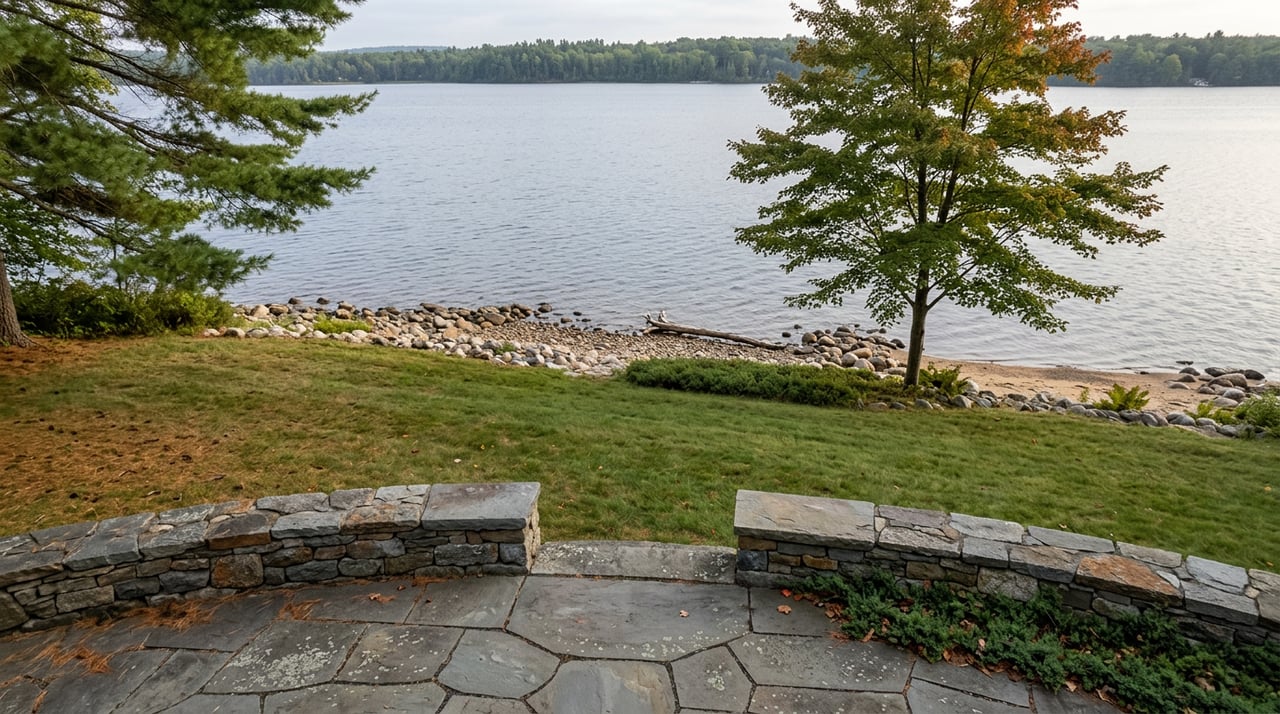
Falmouth’s shoreline and access to Casco Bay are a major draw. You can launch kayaks, enjoy sailing, or simply explore tidepools at low tide. Mackworth Island, reached by a causeway, offers a popular loop trail and scenic views, making it a go-to for an easy walk year-round.
Trails and open space
Town conservation lands and neighborhood parks add a lot of day-to-day value. Trails range from short family loops to longer hikes. If access to a specific trailhead matters to you, confirm parking, seasonal rules, and any town permit requirements.
Shopping and healthcare
Most day-to-day services sit along Route 1 and near I-295, where you will find groceries, pharmacies, restaurants, and small retail. Specialty shops and fine dining are a short drive into Portland. Primary care, specialists, and hospital services are available across the greater Portland area, with Maine Medical Center serving as the primary regional hospital.
Practical buyer considerations
Cost and taxes
Housing costs in Falmouth are generally higher than in many inland Maine towns. Proximity to Portland and coastal properties can add a premium. Plan to compare mill rates with the town assessor, review recent tax bills for comparable homes, and collect insurance quotes, especially if you are evaluating coastal or low-lying properties.
Shoreland and building rules
If you are buying near the coast, shoreland zoning, wetland setbacks, and local ordinances may shape what you can build or renovate. Confirm permit steps, septic versus sewer connections, and any historic guidelines that apply in specific pockets. These rules protect sensitive areas and can influence design scope, timelines, and budgets.
Resale outlook
Falmouth’s draw for families and move-up buyers typically supports solid resale demand, especially near schools, trails, and commute corridors. Keep an eye on new subdivision activity or rebuild trends that may affect neighborhood character and pricing. A clear plan for maintenance and updates usually improves long-term value.
Quick buyer checklist
- Confirm current median sale prices, inventory, and days on market for the specific neighborhood you like.
- Review district boundaries, school program offerings, and enrollment conditions relevant to your address.
- Test-drive your commute to downtown Portland, the airport, and Portland’s rail station during peak hours.
- Pull flood maps for any coastal or low-lying properties and price out flood insurance if applicable.
- Call the town assessor for the current mill rate and review example tax bills for similar homes.
- Ask about HOA rules, fees, and design guidelines in subdivisions or planned communities.
- Check septic versus sewer, well water considerations, and any shoreland or wetlands constraints.
- Confirm parking, beach access, and public shoreline rules for the spots you plan to use.
- Note seasonal traffic patterns that may affect your daily routines.
Is Falmouth right for you?
If you want suburban space, coastal access, and an easy hop into Portland, Falmouth belongs on your shortlist. You will find a range of homes, from historic coastal cottages to new custom builds, plus a community rhythm that balances quiet streets with active recreation and events. The town functions as a year-round community, with a summer uptick along the coast that adds energy without losing everyday convenience.
You do not have to sort through the nuances alone. With investor-grade insight and neighborhood-first service, Veronica helps you weigh trade-offs between coast and inland, renovation and new build, and commute and amenities so you can buy with confidence. Ready to talk through a plan tailored to your goals? Connect with Veronica Schneider.
FAQs
How long is the commute from Falmouth to downtown Portland?
- Most residents drive via I-295 or Route 1, and actual time varies by neighborhood and peak traffic; test the route during your typical commute hours.
What types of homes are common in Falmouth, Maine?
- You will see coastal cottages and shingled homes near the water, plus mid-century ranches, colonials, Cape Cods, and newer custom construction inland.
Is Falmouth a walkable town for daily errands?
- Coastal and village areas offer more walkability and paths, while most inland neighborhoods are suburban in design and generally car-dependent for errands.
How are the public schools in Falmouth?
- The local K–12 district is generally regarded as strong; verify current performance data, programs, and boundaries to match your needs.
What should I know about buying near the coast in Falmouth?
- Review shoreland zoning rules, wetland setbacks, flood maps, and insurance requirements, and confirm permits and utility connections before you renovate or build.