Wondering whether a house or condo makes more sense in South Portland? You are not alone. With limited inventory, rising prices, and different monthly cost structures, this choice can shape not just your purchase, but how you live and budget for years to come. The good news is that the right answer usually becomes clearer once you compare lifestyle, maintenance, and total carrying cost side by side. Let’s dive in.
South Portland market context
South Portland has nearly 27,000 residents and a housing mix that includes both single-family homes and multi-family buildings. The city’s 2026 comprehensive plan describes single-family housing as the dominant form citywide, even as denser housing appears in select areas.
Current market snapshots also show a noticeable price gap between property types. Median South Portland sale prices are around $535,000, while median condo listing prices are around $455,000. Inventory is also limited, with recent snapshots showing 12 condos for sale and 39 single-family homes for sale.
That local context matters because your decision is not only about lifestyle. It is also about what is available, what you can comfortably carry each month, and how much responsibility you want to take on after closing.
How a house changes ownership
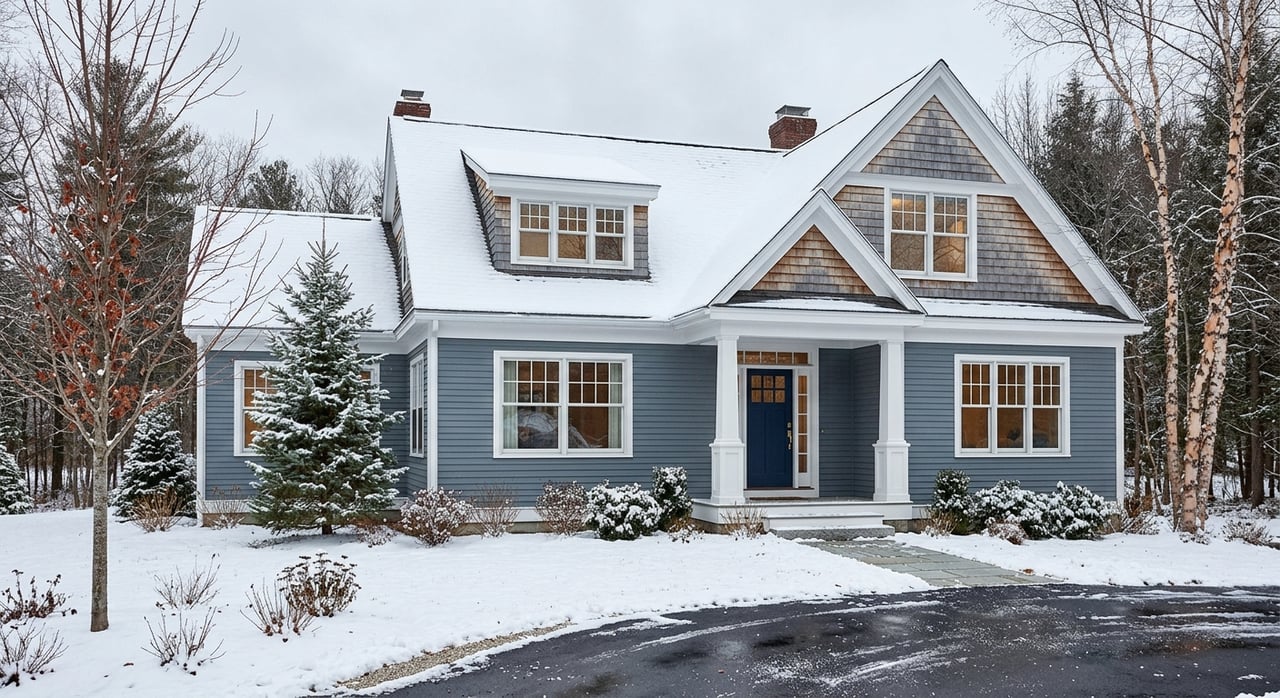
A single-family home usually gives you more control. You generally have more say over the exterior, land, parking, storage, and future renovations. If you want flexibility in how you use and maintain the property, that can be a major advantage.
That control also comes with more responsibility. As a homeowner, you are typically the one budgeting for repairs, maintenance, utilities, property taxes, insurance, and emergency reserves. In practical terms, a house often works best if you value privacy and independence and are comfortable handling the full scope of upkeep.
Why buyers choose houses
Many buyers prefer a house because it offers more room to spread out and more direct ownership of the property itself. That can feel especially appealing if you want outdoor space, dedicated storage, or fewer shared decisions.
In South Portland, a house may also fit buyers who are drawn to established residential streets where single-family homes remain the most common housing type. If your priority is control over the property, a detached home often checks that box better than a condo.
How a condo changes ownership
A condo shifts part of the maintenance burden away from you and onto the association. Under Maine’s Condominium Act, the association is generally responsible for maintaining, repairing, and replacing common elements unless the declaration says otherwise, while the unit owner is responsible for the unit itself.
That setup can make day-to-day ownership feel simpler, especially if you do not want to manage exterior repairs or shared systems on your own. At the same time, it means you are relying on the association’s budget, reserve planning, rules, and insurance for common elements.
Why buyers choose condos
For many buyers, the biggest condo advantage is convenience. If you want less exterior maintenance and are comfortable with shared governance, condo living can be a practical fit.
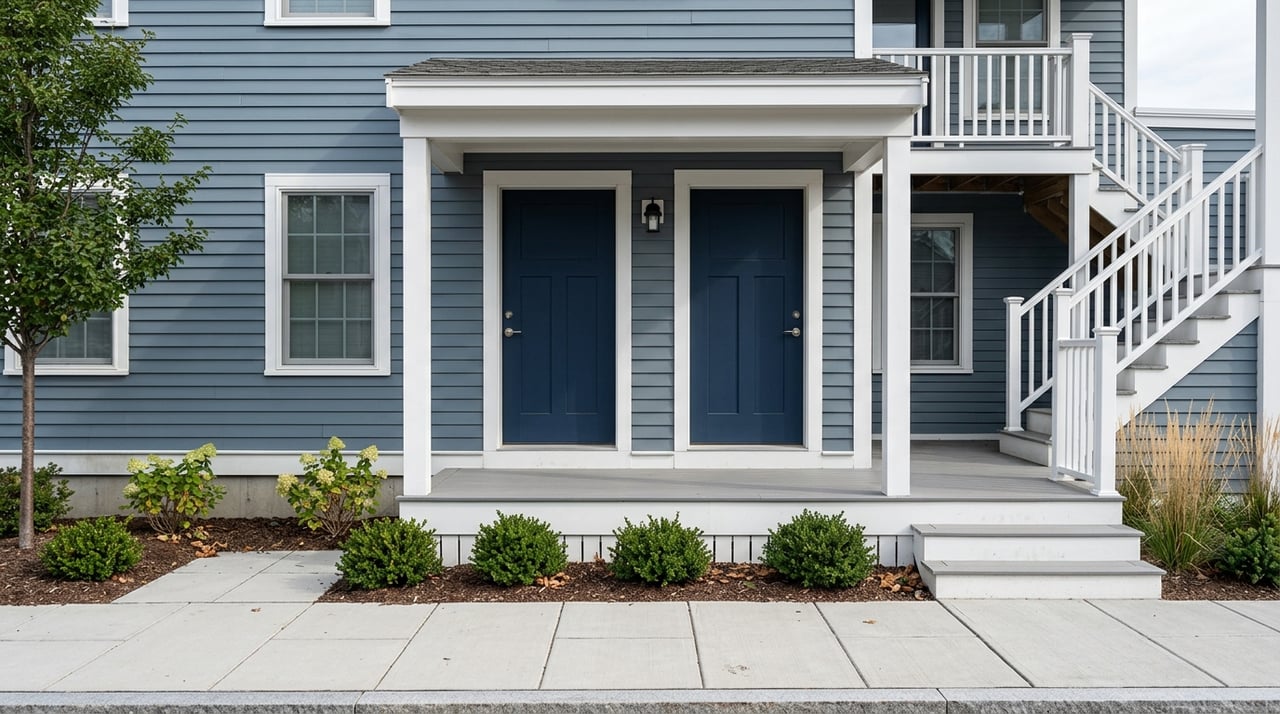
Condos may also line up well with some of South Portland’s more mixed-use or denser settings. City planning materials point to places such as Ferry Village, Willard, Knightville/Mill Creek, Highland Avenue, Main Street, and Thornton Heights Commons as areas where multi-family, townhome, condo-style, or mixed-use housing has been prominent.
Compare the monthly cost, not just price
It is easy to focus on the purchase price, but that is only part of the story. In South Portland, where housing costs have risen sharply over time, your total monthly housing cost often matters more than the sticker price.
The city’s housing analysis says median home sales price rose 56% between 2015 and 2021, while median gross rent rose 40%. It also notes that about 30% of households earning less than 80% of area median income are cost-burdened. That makes careful budgeting especially important.
House costs to plan for
When you buy a house, your monthly and long-term budget may include:
- Mortgage principal and interest
- Property taxes
- Homeowner’s insurance
- Utilities
- Maintenance and repairs
- Emergency reserves
- Flood insurance if needed
These costs can be less predictable because major repairs are fully your responsibility. A roof, exterior issue, or system failure can change your budget quickly.
Condo costs to plan for
When you buy a condo, your total monthly cost may include:
- Mortgage principal and interest
- Property taxes
- Condo dues
- Unit insurance
- Utilities
- Interior maintenance and repairs
- Possible special assessments
Condo dues are usually paid separately from the mortgage payment. That is why a lower purchase price does not always mean a lower monthly cost.
Property taxes in South Portland
South Portland’s FY26 mill rate is $13.65 per $1,000 of assessed value, and the city states that every property owner pays the same mill rate. What changes from property to property is the assessed value.
That means a condo and a house can carry very different tax bills even if the list prices seem close. When comparing options, it helps to look at the assessed value alongside dues, insurance, and maintenance so you get a more realistic picture of your monthly payment.
Neighborhood setting can shape the decision
In South Portland, your choice between a house and condo is often tied to the setting you want. Some buyers want established residential streets where single-family homes are common. Others want a denser, more connected setting near mixed-use areas or the waterfront.
Planning materials show condo-style and mixed-use housing activity in areas such as Ferry Village, Willard, Knightville/Mill Creek, Highland Avenue, Main Street, and Thornton Heights Commons. Meanwhile, single-family homes remain the dominant housing form across the city overall.
This does not make one option better than the other. It simply means your preferred location and your preferred ownership style often go hand in hand.
Coastal risk matters in some areas
If you are looking near the water, flood and resilience planning should be part of your process whether you buy a house or a condo. South Portland’s resilience work identifies Willard Beach, Ferry Village and Front Street, Mill Cove and Trout Brook, Anthoine Creek, Barberry Creek, and Long Creek as sites under study.
For properties in or near those areas, it is smart to review the city’s flood mapping resources and consider how flood risk could affect insurance, maintenance planning, and long-term ownership costs. This is one of those details that can matter just as much as square footage or list price.
Condo due diligence in Maine
If you are leaning toward a condo, due diligence is critical. Maine law gives buyers the right to useful association information through a resale certificate, which the association must provide within 10 days after request and payment of any reasonable fee.
The resale certificate includes important details, including insurance information for the benefit of unit owners. Maine law also provides that a purchaser is not liable for unpaid assessments or fees greater than the amount shown in the certificate.
What to review before buying a condo
A strong condo review process should include:
- The declaration and bylaws
- The current budget
- Reserve funding
- Insurance information
- What the condo fee actually covers
- Whether there is a risk of special assessments
This review helps you understand whether the convenience of condo ownership is backed by sound association planning.
When a house may be the better fit
A house in South Portland is often the stronger choice if you want more direct control over the property and are comfortable with the full scope of upkeep. It may also suit you if you want land, more privacy, dedicated parking, or more flexibility for future projects.
From a long-term ownership perspective, a house can be a good match for buyers who want independence and are prepared to manage both routine maintenance and unexpected repairs. If you like making your own decisions without association oversight, that can be a meaningful advantage.
When a condo may be the better fit
A condo is often the better fit if you want less exterior maintenance and a more streamlined ownership experience. It can also make sense if you are focused on keeping the purchase price lower than a comparable single-family home, while understanding that dues and association structure are part of the tradeoff.
For some buyers, the appeal is simplicity. You still need to review the numbers carefully, but if shared maintenance and association governance feel manageable, a condo can offer a practical path into South Portland homeownership.
A simple way to decide
If you are stuck between the two, ask yourself three straightforward questions:
- Do you want control, or convenience?
- Do you prefer to handle maintenance yourself, or share that responsibility through an association?
- Which option gives you the more comfortable total monthly cost?
In South Portland, the best choice is usually the one that fits both your budget and your tolerance for ongoing responsibility. A house often works best for buyers who want land, privacy, and control. A condo often works best for buyers who want less exterior maintenance and are comfortable with fees and rules that come with shared ownership.
If you want help comparing real South Portland options, budgeting for total carrying cost, or reviewing how a specific property fits your goals, Veronica Schneider offers the kind of practical, neighborhood-focused guidance that can help you make a confident decision.
FAQs
What is the main difference between buying a house or condo in South Portland?
- A house usually gives you more control over the property and more maintenance responsibility, while a condo usually offers less exterior maintenance but includes association fees and rules.
Are condos usually cheaper than houses in South Portland?
- Recent market snapshots show median condo listing prices around $455,000 and median South Portland sale prices around $535,000, but your total monthly cost may still be higher or lower depending on dues, taxes, insurance, and maintenance.
What condo documents should buyers review in Maine?
- Buyers should review the resale certificate, declaration, bylaws, budget, reserves, insurance information, and details about what the association fee covers.
How do South Portland property taxes affect a house versus condo decision?
- South Portland’s FY26 mill rate is $13.65 per $1,000 of assessed value, so the tax impact depends on the property’s assessed value rather than just its asking price.
Which South Portland areas may need extra flood-risk review?
- Buyers should pay extra attention near areas identified in the city’s resilience work, including Willard Beach, Ferry Village and Front Street, Mill Cove and Trout Brook, Anthoine Creek, Barberry Creek, and Long Creek.
Is a condo a good fit for buyers who want less maintenance in South Portland?
- A condo can be a strong fit if you want less exterior and shared-system maintenance and are comfortable relying on the association’s budget, reserves, and rules.