If you own an older home in Cape Elizabeth, you may be sitting on one of your biggest opportunities and one of your biggest selling challenges at the same time. Buyers are often drawn to the town’s coastline, established neighborhoods, and limited housing supply, but they also look closely at condition, maintenance, and hidden risks in older properties. The good news is that with the right prep, you can reduce surprises, build buyer confidence, and position your home more effectively before it hits the market. Let’s dive in.
Why prep matters in Cape Elizabeth
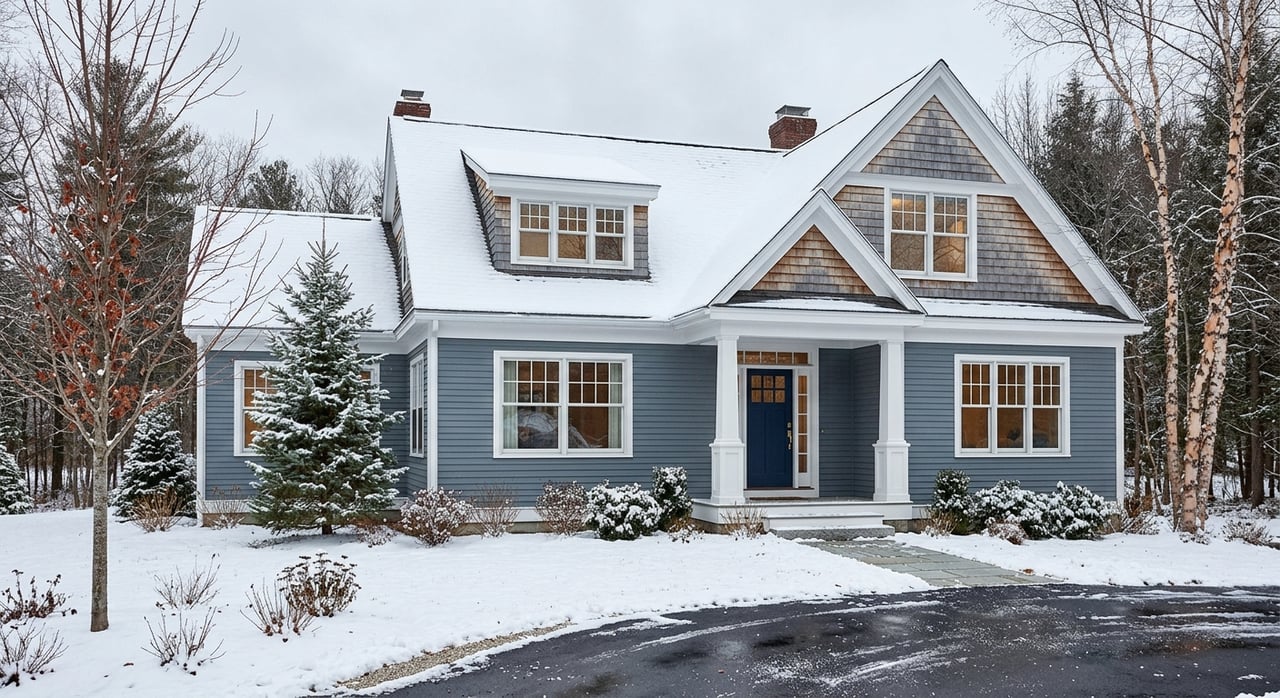
Cape Elizabeth is a premium coastal market with limited developable land, high owner occupancy, and a strong base of existing homes. In a town where buyers are often comparing charm and location against upkeep and systems, presentation alone is not enough.
Older homes can stand out for the right reasons when they feel well cared for. In Cape Elizabeth, that often means showing buyers that the house has been maintained thoughtfully, that key systems are documented, and that pricing reflects both the setting and the condition.
Start with disclosures and records
One of the smartest first steps is gathering your paperwork before you make cosmetic updates. Maine’s seller disclosure law requires specific information about the property, including water supply, heating, waste disposal, hazardous materials, known defects, flood hazard, and shoreland zoning issues.
Timing matters here. The disclosure must be delivered no later than the offer stage, and if it is delivered later, the buyer has a 72-hour right to terminate. That is a strong reason to organize facts early and avoid last-minute scrambling.
Helpful records to collect may include:
- Heating system service records
- Water system information
- Septic records, if applicable
- Oil tank documentation
- Lead paint reports or notices, if you have them
- Radon test or mitigation records, if you have them
- Permits or inspection records for past work
Focus on issues buyers will question
With an older Cape Elizabeth home, buyers and inspectors tend to look beyond paint colors. They often want clarity on the home’s core systems and any issues that could affect safety, financing, insurability, or future repair costs.
That does not mean you need to renovate everything. It does mean you should deal with the issues most likely to slow a sale or weaken your negotiating position.
Lead paint in pre-1978 homes
If your home was built before 1978, lead-based paint is an expected topic. Maine DHHS notes that pre-1978 homes may contain lead-based paint hazards, and sellers must provide known hazard information along with any records or reports in their possession.
If you have documentation, organize it now. If you do not, be prepared to answer questions carefully and accurately based on what you know.
Radon concerns in Maine homes
Radon is another issue that can come up quickly in Maine. According to Maine CDC, if a home for sale is tested, the testing and any mitigation should be done by a registered radon service provider.
The state advises action at 4 pCi/L and says levels between 2 and 4 pCi/L should still be considered for reduction. If you already have a radon system or prior test results, keep those records handy because buyers may ask.
Septic system details
If your property has a private septic system, this should move to the top of your checklist. Maine’s disclosure requirements ask for details such as tank type, size, location, installation date, leach field information, recent service, malfunctions, and the servicing contractor.
For many sellers, a pre-list septic review or at least well-organized records can reduce uncertainty. Buyers are often more comfortable when they can see a clear maintenance history instead of guessing.
Oil heat and older oil tanks
Many older Maine homes still rely on oil heat, so this is a practical area to review. Maine DEP says corrosion is the leading cause of spills from heating-oil tanks at single-family residences.
If your home has an older oil tank, or especially an underground tank, do not leave that issue vague. State law requires underground tanks that have been out of service for more than 12 months to be properly abandoned or removed unless an exception applies.
Check zoning before exterior work
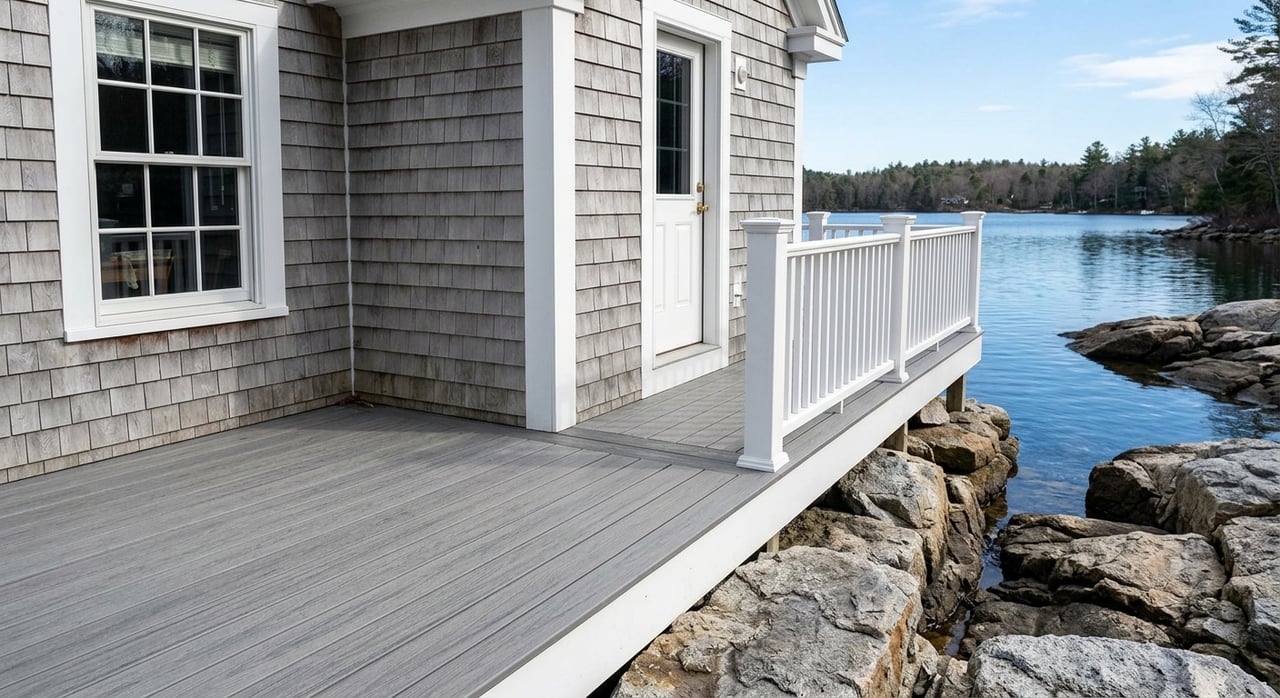
In Cape Elizabeth, location can add value, but it can also add rules. If your home is near the shoreline, wetlands, or in an overlay district, be careful about making exterior changes without confirming what is allowed.
The town’s zoning ordinance includes Shoreland Performance Overlay, Resource Protection, and Floodplain districts. Maine DEP says the local code enforcement officer is the first point of contact for shoreland-zoning questions, so it makes sense to verify before changing drainage, removing major vegetation, or adding exterior features.
Make cosmetic updates that feel worth it
Once the bigger disclosure and system questions are addressed, turn to the updates buyers notice first. In most cases, small improvements offer a better return than major renovations.
Local seller guidance points to simple updates such as paint, fixtures, and landscaping as the kinds of changes that can help a home sell more effectively. Major remodels often do not return their full cost, especially if the next owner may have different tastes.
Best low-drama improvements
Focus on updates that make an older home feel bright, clean, and well maintained:
- Neutral interior paint
- Brighter lighting
- Clean or updated hardware
- Polished or refreshed floors
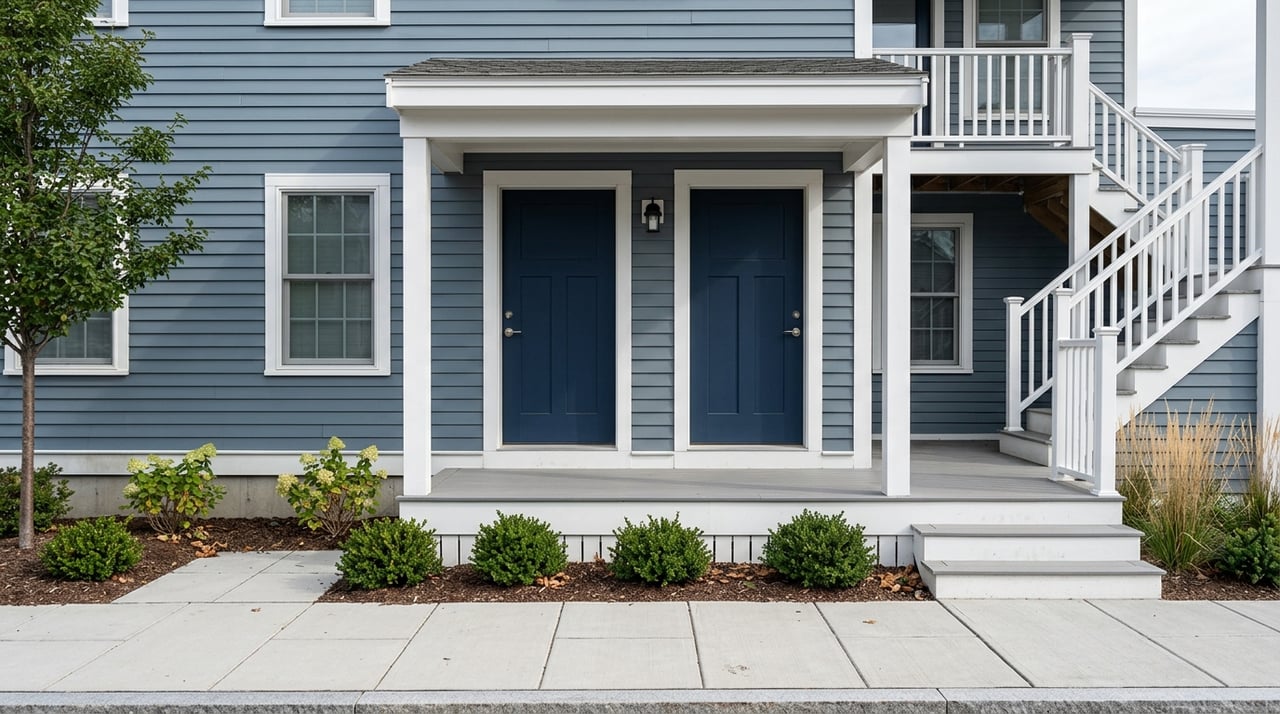
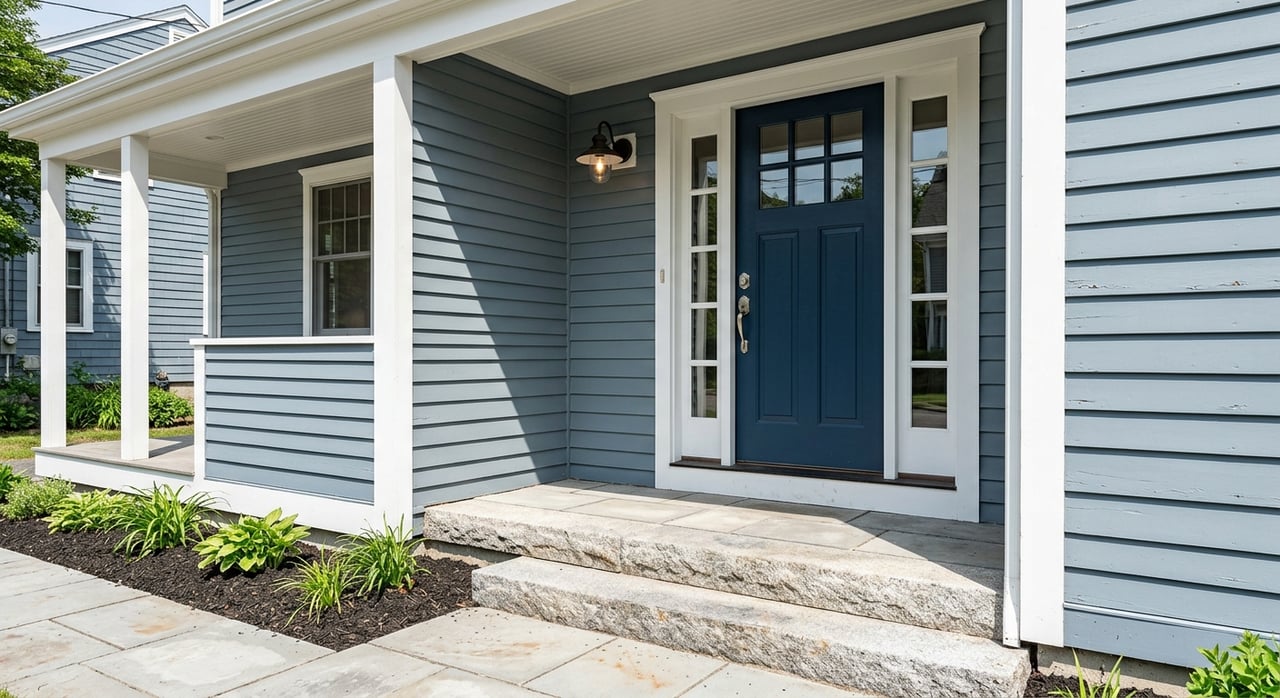
- Pressure-washed siding, walkways, and entry areas
- Tidy landscaping and trimmed plantings
- A clean, welcoming front entry
These changes do not erase the age of the home. They help buyers see character without getting distracted by deferred maintenance.
Improve comfort with energy-focused touchups
In older Maine homes, comfort matters. Buyers often notice drafts, uneven temperatures, or signs that heating costs may be high.
The Maine Department of Energy Resources says weatherization can include insulation, air sealing, weather-stripping, and caulking. That can be especially relevant in older homes, since the state notes that many homes built in 1960 or earlier suffer from energy inefficiency.
You may not need a full energy overhaul before selling. Even modest steps like sealing drafts, servicing the heating system, and making the home feel more stable and comfortable during showings can support buyer confidence.
Price for condition, not just the Cape Elizabeth name
It is easy to assume that Cape Elizabeth’s location will do all the heavy lifting. While the town’s coastal setting and limited inventory support strong values, buyers still compare one property against another very carefully.
Public market portals show different numbers depending on their methods, but they point to the same big lesson: this is a high-value market, and pricing needs to be grounded in recent local comps and actual condition. For an older home, that means adjusting for things like lot quality, proximity to water, updated mechanicals, and deferred maintenance.
What smart pricing looks like
A strong pricing strategy usually considers:
- Recent sold and pending homes nearby
- Overall condition and level of updates
- Age and quality of major systems
- Lot appeal and setting
- Any inspection-sensitive issues that remain
- Whether the home feels move-in ready or project oriented
In Cape Elizabeth, buyers often pay a premium for location, but they also reward homes that feel transparent, maintained, and realistically priced.
Sequence your prep to protect your budget
One of the biggest mistakes sellers make is spending money in the wrong order. If you start with decor but ignore a known tank issue, missing septic records, or an outdated disclosure problem, the sale can still get bogged down.
A better sequence is simple. Address the items that could affect disclosures, inspections, or buyer confidence first, then spend only where the market will notice the difference.
A practical pre-list order of operations
- Gather records and disclosure information
- Review lead, radon, septic, and oil tank concerns
- Confirm any zoning questions for exterior work
- Handle important repairs or decide what will be priced in
- Refresh paint, lighting, hardware, and landscaping
- Build pricing around local comps and condition
This approach helps you invest with more discipline. It also gives buyers a clearer story about how the home has been cared for over time.
Why local guidance helps with older homes
Older homes rarely fit into a one-size-fits-all plan. In Cape Elizabeth, the right answer often depends on your home’s age, systems, setting, and how much of the property’s value comes from location versus move-in readiness.
That is where local, practical guidance matters most. The goal is not to fix everything. The goal is to identify what could derail the sale, what should be disclosed clearly, and what updates are actually worth doing before you list.
If you are thinking about selling an older home in Cape Elizabeth, a neighborhood-level pricing and prep strategy can help you avoid over-improving and focus on the steps that support a smoother sale. When you are ready for a practical plan, connect with Veronica Schneider to schedule a consultation.
FAQs
What should you fix before selling an older home in Cape Elizabeth?
- Start with issues tied to disclosures, inspections, and buyer confidence, such as heating systems, septic details, radon concerns, oil tanks, and known defects. After that, focus on simple cosmetic improvements buyers notice right away.
What disclosures are required when selling a home in Maine?
- Maine requires sellers to disclose items such as water supply, heating details, waste disposal systems, hazardous materials, known defects, flood hazard, and shoreland-zoning issues, and the disclosure must be delivered no later than the offer stage.
Should you test for radon before listing a Cape Elizabeth home?
- Radon is a common concern in Maine, so existing test results or mitigation records can be helpful to organize before listing. If testing is done for a home sale, Maine CDC says testing and mitigation should be handled by a registered radon service provider.
How important is septic information when selling a Cape Elizabeth property?
- If the home has a private septic system, buyers will often want clear records. Maine’s disclosure requirements call for detailed septic information, including tank type, location, service history, and any malfunctions.
Do small updates help sell an older Cape Elizabeth house?
- Yes. Neutral paint, better lighting, polished floors, cleaned-up hardware, pressure-washed exterior surfaces, and tidy landscaping can help an older home feel more cared for without the cost of a major renovation.
How should you price an older home in Cape Elizabeth?
- Price should be based on recent neighborhood comps and adjusted for condition, lot quality, water proximity, mechanical systems, and any deferred maintenance rather than relying on a single online estimate.